
Guides / Getting Started
How to Clean Out a House After Someone Dies: Where to Start
You do not have to empty the entire house in one weekend. The order to work in, the documents to find before you throw anything away, and how to avoid discarding something valuable.
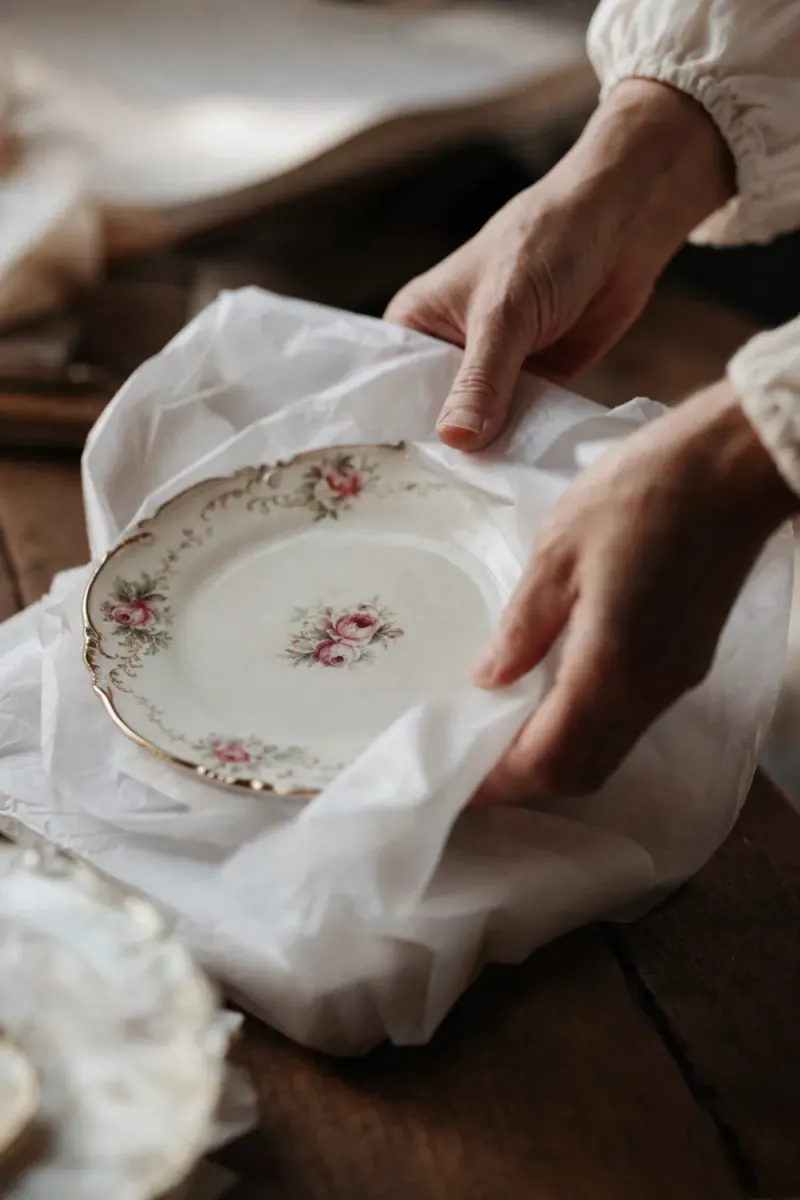
Cleaning out a house after someone dies is rarely just a cleaning project.
It can mean walking into a home filled with decades of memories, paperwork, furniture, family photographs, clothing, collections, and everyday things that suddenly feel much harder to make decisions about.
At the same time, life keeps moving.
There may be probate questions, family members calling, bills to handle, a property to maintain, a house that eventually needs to be sold, and sometimes a deadline that makes everything feel more urgent.
If you are standing in a parent's, grandparent's, spouse's, or loved one's home wondering where to even begin, the most important thing to know is this:
You do not have to empty the entire house in one weekend.
A good estate cleanout begins with protecting the things that matter most, creating a simple plan, and working through the property in the right order.
Here is a practical place to start.
Step 1: Secure the Home Before You Start Cleaning
Before sorting furniture or filling boxes, make sure the property itself is secure.
If the home will be vacant, check doors and windows and make sure you know who has keys.
You may also need to think about:
- Mail delivery
- Utilities
- Insurance
- Pets
- Refrigerated food
- Prescription medications
- Vehicles
- Lawn care
- Water leaks or plumbing issues
- Valuable items that may be visible through windows
If multiple relatives or other people have access to the home, it can also be helpful to agree on who is authorized to remove belongings.
This is especially important when an estate is still being handled through probate or when ownership of certain items has not yet been determined.
Step 2: Find the Important Documents First
One of the biggest mistakes families can make is beginning by throwing things away.
Before you start filling trash bags, look for important documents.
These can be hidden in desk drawers, filing cabinets, boxes, closets, kitchen drawers, safes, books, or even stacks of old mail.
Look for things such as:
- Wills and estate documents
- Trust documents
- Deeds
- Vehicle titles
- Insurance policies
- Bank information
- Tax returns
- Retirement or investment statements
- Life insurance policies
- Military records
- Birth certificates
- Marriage certificates
- Social Security information
- Business records
- Loan documents
- Safe-deposit-box information
- Keys
- Password information
Do not assume a drawer filled with old paperwork is worthless.
Sorting paperwork is tedious, but it is one of the places where going slowly can prevent major problems later.
Step 3: Remove Personal and Sentimental Items
Before thinking about resale value, identify the things family members may want to keep.
That could include:
- Photographs
- Letters
- Family Bibles
- Journals
- Recipes
- Quilts
- Artwork
- Jewelry
- Military memorabilia
- Heirlooms
- Handmade items
- Children's keepsakes
- Genealogy records
Sometimes the most important items in the house are worth very little financially.
A handwritten recipe card from Grandma may be worth more to the family than an expensive piece of furniture.
If several people need time to make decisions, create a designated area or room for items that are being saved.
Try not to create dozens of different piles throughout the house. That usually makes the process more confusing.
Step 4: Be Careful About Throwing Things Away Too Quickly
When you are tired and overwhelmed, it can be tempting to start filling a dumpster.
But an estate can contain valuable items in unexpected places.
Before disposing of large amounts of property, watch for:
- Jewelry
- Coins
- Collectibles
- Firearms
- Vintage toys
- Tools
- Antique furniture
- Artwork
- Sterling silver
- Old advertising items
- Musical instruments
- Rare books
- Watches
- Vintage clothing
- Documents with historical value
Cash can also turn up in unusual places.
Older generations sometimes stored money inside books, envelopes, drawers, tins, mattresses, clothing pockets, freezers, or containers that otherwise look unimportant.
That does not mean every old item has value.
It simply means it is worth looking before throwing things away.
Step 5: Sort Everything Into Simple Categories
Once personal papers and sentimental belongings are protected, begin sorting the remaining contents.
We usually recommend keeping the categories simple.
Keep — Items the family wants.
Sell — Items that may be worth selling individually, through an estate sale, auction, marketplace, or another method.
Donate — Usable items that do not need to be sold but could benefit someone else.
Dispose — Broken, damaged, unusable, expired, contaminated, or unwanted items.
Unsure — Items that need additional research or another family member's decision.
The "unsure" category can be helpful, but try not to put half the house into it.
At some point, decisions will need to be made.
Step 6: Decide Whether an Estate Sale Makes Sense
Not every estate needs an estate sale.
That surprises many families.
An estate sale may make sense when the home contains enough desirable merchandise to justify the time and work required to organize, price, advertise, and conduct the sale.
In other situations, the value may be concentrated in only a few items.
Sometimes the better approach is to sell a handful of valuable pieces, donate usable belongings, and professionally clean out the remainder.
And sometimes an estate sale company may decline the property altogether.
That does not necessarily mean the belongings have no value. It may simply mean there is not enough merchandise or expected revenue for a traditional estate sale to make financial sense.
The best option depends on the house, the contents, the family's timeline, and how much time the family wants to invest in selling items individually.
Step 7: Decide How Much Work You Want to Do Yourself
Cleaning out an entire house can be much bigger than families initially expect.
Even an average home may contain thousands of individual items.
Then there may also be:
- Garages
- Shops
- Barns
- Storage buildings
- Attics
- Basements
- Porches
- Sheds
- Vehicles
- Outdoor equipment
You can absolutely do an estate cleanout yourself.
But before committing to that approach, consider the real cost.
That includes not only dumpster fees and hauling expenses, but also your time, fuel, travel, lifting, sorting, donation runs, disposal trips, and time away from work or family. We break down what an estate cleanout actually costs in more detail, including the four things that genuinely move the price.
For someone who lives several hours — or several states — away, the logistics can become even more difficult.
Professional estate cleanout services can be especially helpful when the family has limited time, lives out of state, has a deadline, or simply does not want to spend weeks physically clearing the property.
If you are in Northeast Oklahoma or Northwest Arkansas and are trying to figure out whether professional help would make sense, you can contact Estate Ease here and tell us what you are dealing with.
Step 8: Think About What Is Going to Happen to the House
This is an important step that often gets overlooked.
Before cleaning out every item, ask: what is the plan for the property?
Will the home be:
- Kept by a family member?
- Rented?
- Renovated?
- Sold?
- Sold as-is?
- Prepared for the traditional real estate market?
The answer can change how much work should be done.
For example, a property that will be completely remodeled may not need the same level of cleanup as a home being photographed and listed for sale. If the house is headed to the open market, our guide to turning an estate property around before photos covers that sequence.
Likewise, spending thousands of dollars repairing or removing something may not make financial sense if the home will ultimately be sold as-is.
Having an end goal can prevent unnecessary work and expense.
How Long Does It Take to Clean Out a House After Someone Dies?
There is no universal answer.
A lightly furnished two-bedroom home is very different from a property where someone lived for 50 years and accumulated several buildings full of belongings.
The timeline can also depend on:
- How many family members are helping
- Whether items need to be sold
- How quickly decisions are made
- Whether the family lives nearby
- How much trash or debris is present
- Whether there are outbuildings
- Whether there is a probate deadline
- How much sentimental sorting is involved
Some cleanouts can be completed quickly.
Others take families several weekends or even months.
The emotional side of the process can also slow things down — and that is completely understandable.
Should You Hire an Estate Cleanout Company?
You may want professional help if:
- You live far away from the property
- You are physically unable to handle the cleanout
- The house contains a large amount of furniture or belongings
- You are overwhelmed and do not know where to begin
- You need the property emptied quickly
- An estate sale company declined the estate
- There are garages, barns, storage buildings, or heavy items involved
- You need help separating donations, trash, and potentially valuable belongings
- The property needs to be prepared for sale
A good estate cleanout service should do more than simply throw everything into a truck.
The goal should be to help the family work through the property responsibly while making the process easier.
What Does Estate Ease Do?
Estate Ease serves families throughout Northeast Oklahoma and Northwest Arkansas who are dealing with one of the hardest parts of settling an estate: figuring out what to do with an entire house full of belongings.
Every situation is different.
Some families need help clearing an entire home.
Others may need assistance with furniture, garages, shops, barns, outbuildings, donations, unwanted belongings, or preparing a property for what comes next.
Our goal is to help simplify the process and take some of the physical and logistical burden off the family.
We understand that an estate cleanout is not just about getting rid of things.
It is about helping a family move a property from "we don't know where to begin" to "this is handled."
Start With One Decision
If you are looking around a house full of belongings and feeling overwhelmed, you do not need to solve everything today.
Start with the important documents.
Protect the sentimental items.
Identify the things the family wants.
Then decide what should be sold, donated, or removed.
And if the job is simply too large to manage yourself, asking for help can turn a difficult project into a much more manageable one.
Need Help With an Estate Cleanout?
If you are dealing with a house, garage, shop, barn, outbuilding, or property full of belongings in Northeast Oklahoma or Northwest Arkansas, Estate Ease can help.
You do not have to know whether you need an estate sale, cleanout, donation removal, or a combination of services before contacting us.
Tell us what you are dealing with, and we can help you figure out the next step.