
Guides / Farm & Acreage
Cleaning Out a Barn, Shop or Acreage: What Rural Estates Need That Town Houses Don't
Rural estate cleanouts are different: outbuildings, titles, scrap, chemicals, brush and soft ground. How to plan a barn, shop or acreage cleanout.
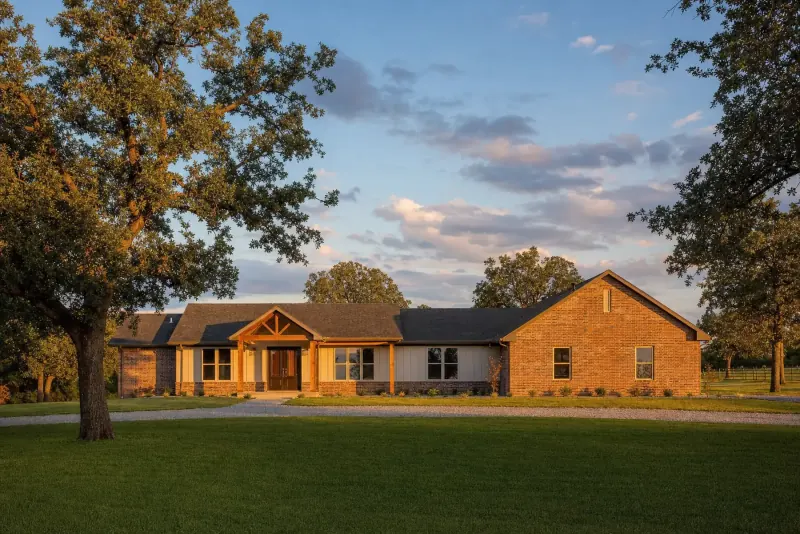
A house in town has a front door, a garage, and maybe a shed out back. When it is cleared, it is cleared.
A place out in the country is different. There is the house, and then there is the shop, the barn, the hay shed, the old chicken house, the lean-to with a camper under it, a burn pile, and a tree line that has been collecting worn-out equipment since 1975. The house might be a two-day job. The rest of the property can be most of the work.
If you have inherited acreage anywhere in Northeast Oklahoma or Northwest Arkansas, here is how to think about the parts a normal cleanout guide skips.
Walk the whole property before you decide anything
Families almost always underestimate a rural cleanout, because they have only ever been in the house and maybe the shop.
Before you get a price, set a timeline or promise a buyer a date, walk every building and every fence line:
- Every outbuilding, including the ones nobody has opened in years
- Lofts and attics in barns (carefully, since old floors and ladders are not always sound)
- Trailers, campers and vehicles, including the ones in the weeds
- Burn piles, trash pits and old dump spots at the back of the property
- Anything stored under tarps
- Fuel tanks, above-ground or otherwise
Take photos as you go. You will want them for your siblings, for the estate's attorney, and for anyone you ask to quote the job.
Find the titles before anything moves
A rural estate often has more titled property than people realize: trucks, trailers, tractors, side-by-sides, boats, campers. Before any of it is sold, scrapped or hauled off, you need to know who owns it and who has authority to sell it.
Check the house for titles first. Glove boxes, the kitchen junk drawer and the gun safe are common spots. Talk to the estate's attorney before selling anything with a title. We explain why that matters in what to do with a parent's house in Oklahoma.
The value is usually outside
Here is the good news. On a lot of rural properties, most of the sellable value is not in the house. It is in the shop and the barn.
Things worth a real look before anything is hauled:
- Tools and shop equipment. Hand tools, welders, air compressors, drill presses, older quality brands.
- Running equipment. Tractors, implements, mowers, trailers. Equipment that does not run can still be worth something to the right buyer.
- Farm and livestock supplies. Pipe panels, gates, T-posts, feeders, and usable fencing materials often sell locally.
- Scrap metal. Once everything with resale value has been pulled out, the remaining metal can offset part of the hauling cost. Scrap prices move around constantly, so do not count on a number until someone weighs it.
- Old signs, cast iron and vintage farm items. Sometimes this is where a surprising amount of value hides.
This is exactly why the order matters. A crew paid by the load has no reason to notice that the rusty implement behind the barn is worth more than the trip to the scrap yard. Identify it first, then clear. Our guide to what to do with everything in an inherited house covers the keep/sell/donate/dispose sort in more detail, and it works the same way in a barn.
Plan for the problem items
Rural properties are where the chemical shelf gets serious. Old pesticides and herbicides, motor oil, fuel cans, paint, batteries, tires and propane tanks are common in sheds and barns, and sometimes the labels are long gone.
None of that belongs in a dumpster or a burn pile. Set it aside in one place, keep containers upright and separate, and do not open or mix anything you cannot identify. It will need its own disposal route, and that is a real line item in the price.
Brush, debris and burning
Storm debris, fallen limbs, overgrown fence rows and old burn piles are part of many acreage cleanups. Before burning anything, check whether your county has a burn ban in effect. Also check what you are allowed to burn at all. Household trash, tires, treated lumber and chemicals are not materials to put on a fire.
Often the simpler route is to haul brush off, chip it, or pile it somewhere it can be dealt with later.
Access and weather
A town cleanout backs a trailer into the driveway. A rural cleanout sometimes cannot get a truck to the barn at all after a week of rain. Soft ground, narrow gates, low-hanging limbs, and a quarter-mile of dirt road all affect how long the job takes and what equipment it needs.
If you are planning around a closing date, build in some weather room, especially in fall and spring.
How much does a rural cleanout cost?
More than the house alone, and it varies more than any other kind of cleanout. Our published range for a property with outbuildings, a barn or acreage debris is $5,000 to $15,000 or more, and hoarding-condition properties are quoted only after a walkthrough. The things that move the price are access, the weight and type of disposal, how much needs careful sorting, and whether the contents are worth selling. We break that down in what an estate cleanout actually costs.
The flip side: rural properties are also the ones most likely to have enough sellable equipment and tools to offset a real share of that cost.
How long does it take?
Most houses take one to three days once we start. Outbuildings, barns and acreage debris take longer, and how much longer depends on what is out there. That is why the walkthrough includes every building, not just the house. At the end of it, we commit to a completion date in writing.
Where we fit
Barn, shed and acreage cleanup is one of the things we do most gladly. We know rural property because we live on it. We walk the house and every outbuilding with you, flag what is worth selling before anything is hauled, set aside titles, papers and keepsakes for the family, route the chemicals and scrap properly, and leave the property cleared.
We work across Northeast Oklahoma and Northwest Arkansas. If you are just outside that area, call anyway and we will tell you honestly whether we are the right fit.
Call 918.350.6982 and you will get one of the owners, or tell us about the property. The walkthrough is free, and you get a flat written price with no obligation.